
Your Old Steel Windows Deserve a Second Life, Not a Dumpster
Before tearing out original steel windows, see how restoration, retrofit glass, and new units compare, plus a simple test to judge your frames.
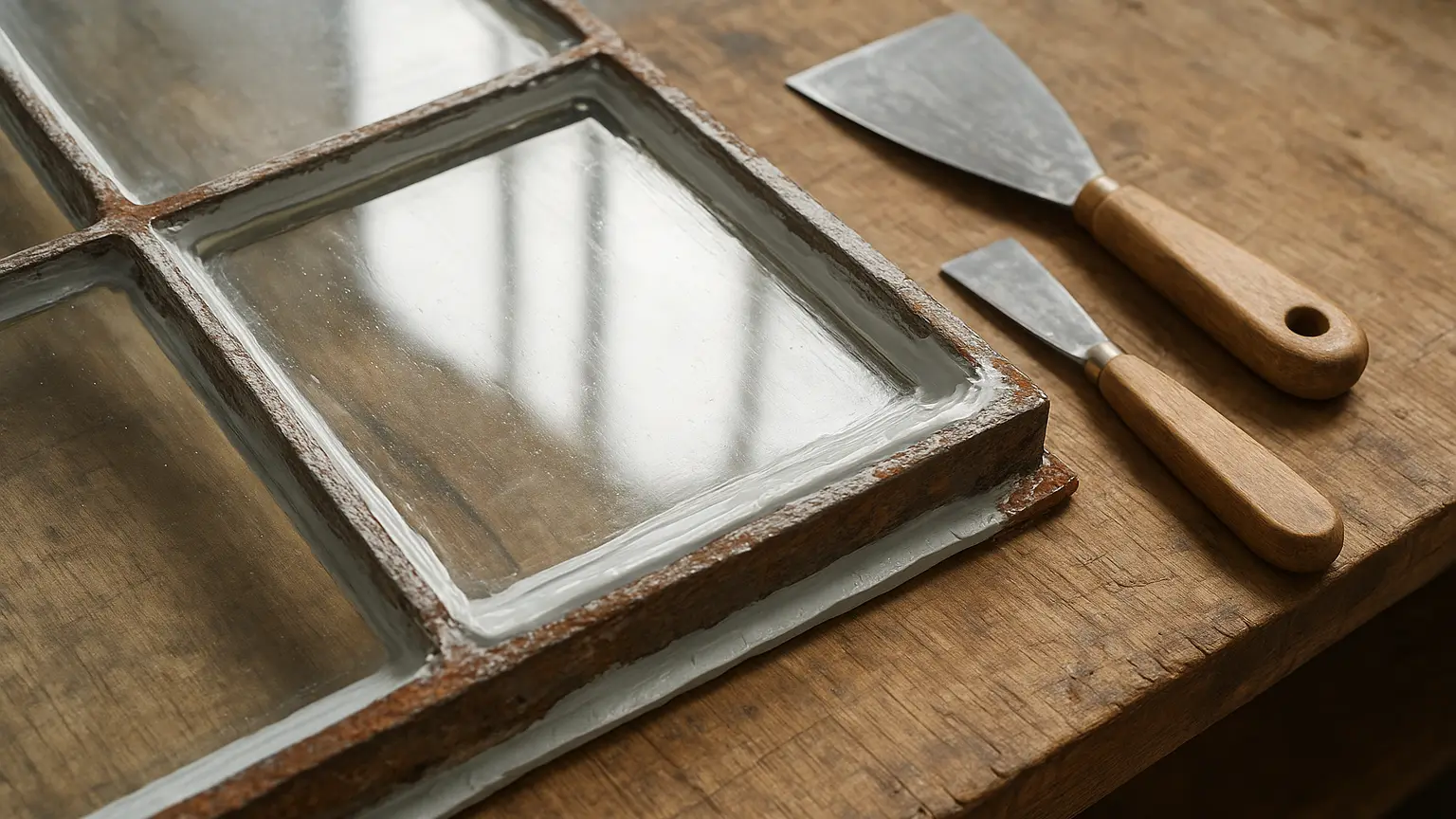
Most original steel windows are not dying. They are just tired. A stuck latch, a few rust spots, and a winter draft can make a frame look like it has reached the end. In most cases, it has not. The steel in a 1930s casement or a 1950s picture window is often thicker and tougher than what goes into many new homes today.
Still, many owners of historic and mid-century homes hear one answer first: tear them out. That advice is easy to give and easy to sell. It is not always right. Once those slim frames are gone, the look of the house changes for good. Many people who stop replacing steel windows with plastic copies do it after seeing how bulky the new frames look next to the old ones.
The Window Is Not the Problem. The Neglect Is.
Steel windows fail slowly, and they almost always fail from the outside in. Paint wears off. Water sits on the sill. Glazing putty dries and cracks. Rust starts where the moisture stays. Over decades, the hinges stiffen and the window stops closing tight.
None of that means the frame is gone. Surface rust can be removed. Putty can be replaced. Hinges can be freed or swapped. The core steel section, the part that gives these windows their thin, crisp lines, usually has decades of life left in it.
Read Your Frames Before You Call Anyone
You can do a rough check in about ten minutes per window. Grab a flashlight, a flat screwdriver, and a magnet. Then look for these signs:
- Flaky rust vs. deep pitting: Rust that brushes off is cosmetic. Holes you can poke through are serious.
- Straight lines: Sight down each frame. Small bows can be corrected. Kinked or twisted bars are harder to fix.
- Swing and latch: Does the sash open and close at all? Stiff is fine. Frozen solid is a warning.
- Putty and glass: Cracked putty is normal wear. Loose or broken panes are easy repairs.
- The wall around it: Soft plaster, stains, or rot near the frame point to a water problem bigger than the window.
If most of your windows show only the first few signs, you are likely a strong fit for saving them.
Once you know what shape the frames are in, the choice usually comes down to three options. Each one has a real place. The trick is knowing which one your house actually needs.
Path One: Full Restoration
Restoration means the original window stays and gets brought back to working order. A crew strips old paint and rust, treats the steel, fixes or welds weak spots, replaces putty, adds new weatherstripping, and repaints with a tough metal coating. Some shops do this on site. Others remove the sashes and work on them in a shop.
Cost often lands well below new steel units, especially when the frames are in decent shape. Comfort improves more than people expect, because most drafts come from gaps, not the glass. Character is the big win. You keep the exact sightlines, the old wavy glass if you want it, and the original hardware.
Path Two: Retrofit Glazing
This option keeps the steel frame but upgrades what is inside it. Single panes can be swapped for thin insulated glass units, or slim interior storm panels can be added behind the original glass. Both cut heat loss and noise in a real way.
The catch is space. Old steel frames have shallow glass pockets, so not every unit fits. A good installer will measure each opening and may use slimmer double panes made for this work. If you are weighing coatings, tints, and thickness, a guide on choosing glass for metal windows helps you compare low-E and laminated options before you commit.
Path Three: New Steel Units
Sometimes the frames really are finished. Deep rust has eaten through bars, a past fire or settling has bent them, or a previous owner cut them up badly. In those cases, new steel windows with thermal breaks are the honest answer. They match the slim look of the originals and perform far better on energy.
They are also the most expensive path by a wide margin. Lead times can stretch for months, and custom sizes for older openings add cost.
“People assume replacement is the upgrade and restoration is the shortcut, but it is often the other way around,” says Daniel Ortega, senior installation consultant at Affordable Windows. “We tell homeowners to replace only the frames that truly cannot be saved. Mixing restored and new units on the same house is common, and when it is done right, nobody can tell.”
How the Three Stack Up
- Restoration: Lowest to moderate cost, good comfort gains, keeps 100 percent of the original character.
- Retrofit glazing: Moderate cost, the best energy gain for the money, keeps the frame and nearly all of the look.
- New steel units: Highest cost, top energy performance, close match to the original look but not the original itself.
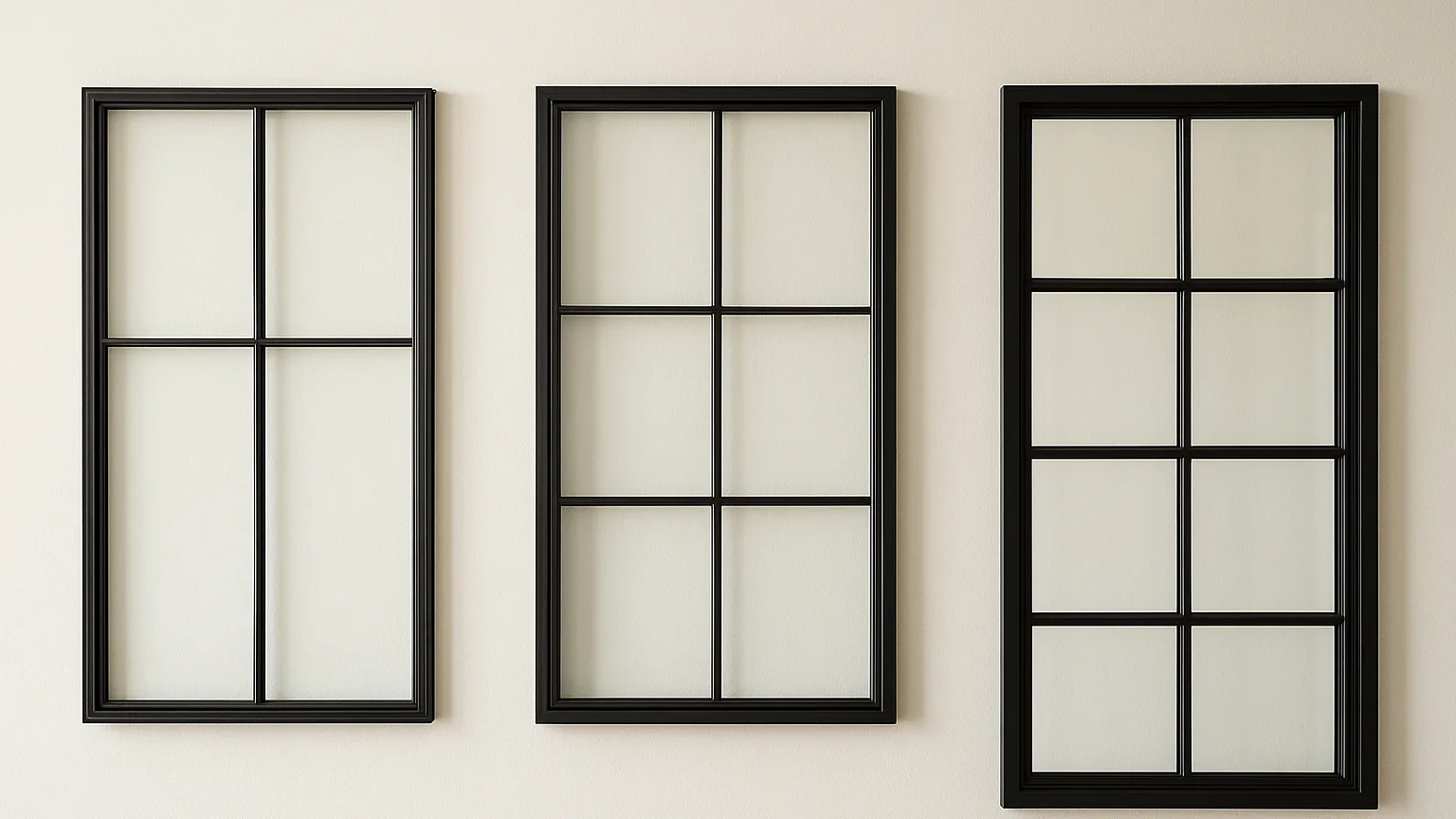
Frame condition tells you what is possible. The style of your home tells you what is worth it. Both should shape the final call.
Let the Architecture Cast a Vote
A 1920s Tudor with leaded steel casements gets much of its charm from those windows. Swapping them out can hurt both the feel of the home and its resale appeal to buyers who love old houses. Art Deco and Spanish Revival homes fall in the same camp. Their windows are part of the design, not an add-on.
Mid-century homes are a little different. Many have wide walls of steel and glass facing the yard. Here, comfort matters more because there is so much glass. Retrofit glazing often makes the most sense, since it keeps the clean modern lines and fixes the heat and cold problem. In hot desert climates, low-E glass in the original frames can make a big room usable again on summer afternoons.
If your home sits in a historic district, check the local rules before you start. Many districts favor repair over replacement and may need to approve changes to street-facing windows.
A Simple Rule for Deciding
- Most frames sound, house has strong historic style: Restore them.
- Frames sound, but rooms run too hot or too cold: Restore and add retrofit glazing.
- A few frames badly damaged: Restore the good ones, replace only the failed ones with new steel.
- Most frames rusted through or bent: Go with new thermally broken steel units.
Notice that full tear-out only wins in one of those four cases. That matches what restoration pros see in the field. It is rare for every window in a house to be beyond repair.
Pick a Crew That Knows Steel
Not every window company works on steel. Many only install vinyl or aluminum and will steer you that way. Ask how many steel jobs they have done, whether they restore or only replace, and if they can show you before and after photos of older homes. Comparing reviews of trusted local window installers is a smart way to see who has real metal experience and who just sells new units.
Also ask what happens after the work is done. Restored steel needs simple care, like keeping weep holes clear and touching up paint chips before rust starts. A crew that explains upkeep is a crew that expects its work to last.
Keep the Steel, Keep the Story
Original steel windows are built from tough material that was made to last for generations. Most of the problems owners notice, like drafts, rust, and sticky latches, come from years of skipped upkeep rather than true failure. A quick check of rust depth, frame shape, and how each sash moves will tell you a lot before any contractor arrives.
From there, the path is clearer than it seems. Restore what is sound, upgrade the glass where comfort is the issue, and save new steel units for frames that are truly gone. Let your home's style guide the final call, and hire a crew that respects old metal. Do that, and you keep the character that made you love the house, while finally making it comfortable to live in.
Ready for Custom Aluminum Windows Built in Southern California?
The Metal Window manufactures custom aluminum windows and doors to your exact specifications. Tell us about your project and get a free quote.
Get a Free QuoteMore Expert Guides
Keep reading. Practical advice on aluminum windows, doors, glass, and finishes from the team that builds them.

I’ve used the The Metal Window before and it was great! I was pleased once again. Staff was very nice and really went the extra mile to help us out!
Ralph
Professionalism, Punctuality, Quality, Responsiveness, Value. Everyone was professional and offered amazing custom window service.
